XcellHost Cloud Services - Leaders in Managed Cloud Hosting since 1999
Document
lets talk

Get in Touch!

Captcha :
+
=

By continuing, you accept our Terms of Service & Privacy Policy

Marg On Cloud sample 1

Understanding Business Email Compromise (BEC): Protecting Your Organization In today’s digital landscape, businesses face a multitude of cyber threats, with Business Email Compromise (BEC) emerging as one of the most damaging. BEC attacks can lead to significant financial losses and damage to an organization’s reputation. This blog explores what BEC is, how it works, real-world examples, and strategies to protect your organization from this growing threat. What is Business Email Compromise (BEC)? 📧 Business Email Compromise (BEC) is a sophisticated scam targeting businesses that conduct wire transfers and have suppliers abroad. Cybercriminals exploit email systems to deceive employees, often impersonating executives or trusted partners to trick victims into transferring money or sensitive information. How BEC Attacks Work ⚙️ 1. Reconnaissance 🔍 Attackers gather information about the target organization, such as its executives, employees, business partners, and financial transactions. They may use social engineering techniques, phishing emails, or publicly available information on social media and company websites. 2. Email Spoofing and Phishing 🎣 Cybercriminals spoof legitimate email addresses or hack into real accounts to send convincing emails. These emails often contain urgent requests, such as transferring funds, changing payment details, or sharing confidential information. 3. Social Engineering 🕵️ Attackers leverage social engineering to manipulate victims into bypassing normal security procedures. This might involve creating a sense of urgency, impersonating a high-ranking executive, or exploiting trust within the organization. 4. Execution of the Scam 💼 Once the victim is convinced, they follow the instructions, unknowingly transferring funds to the attacker’s account or sharing sensitive information. By the time the scam is discovered, it is often too late to recover the stolen assets. Real-World Examples of BEC Attacks 🌐 The Ubiquiti Networks Scam In 2015, Ubiquiti Networks fell victim to a BEC attack, losing $46.7 million. Cybercriminals impersonated company executives and requested wire transfers to overseas accounts. The attackers used a combination of email spoofing and social engineering to carry out the scam. The Mattel Incident In 2016, toy manufacturer Mattel was targeted by a BEC scam shortly after appointing a new CEO. Attackers impersonated the CEO and requested a $3 million transfer to a Chinese bank. Fortunately, Mattel’s finance department detected the fraud in time, and the funds were recovered. How to Protect Your Organization from BEC Attacks 🛡️ Employee Training and Awareness 📚 Educate employees about the risks of BEC and train them to recognize suspicious emails. Regularly update staff on the latest scam tactics and encourage them to verify requests for sensitive information or financial transactions through secondary channels. Implement Strong Email Security Measures 🔐 Multi-Factor Authentication (MFA) 🔒 Require MFA for accessing email accounts and sensitive systems. This adds an extra layer of security, making it harder for attackers to gain unauthorized access. Verify Financial Transactions 🏦 Establish verification procedures for financial transactions, especially those involving changes to payment details or large transfers. Require multiple approvals and confirmations through different communication channels. Monitor and Audit Email Accounts 👀 Regularly monitor email accounts for signs of suspicious activity, such as unexpected login attempts or unauthorized changes to email forwarding rules. Conduct periodic audits to ensure compliance with security policies. Develop Incident Response Plans 🚨 Create and maintain an incident response plan specifically for BEC attacks. This plan should outline steps for identifying, containing, and mitigating the impact of a BEC incident, as well as procedures for reporting and recovering from the attack. Frequently Asked Questions (FAQs) ❓ Q1: What is Business Email Compromise (BEC)? A1: Business Email Compromise (BEC) is a sophisticated scam in which cybercriminals use email to deceive employees into transferring money or sensitive information, often by impersonating executives or trusted partners. Q2: How can I recognize a BEC email? A2: BEC emails often contain urgent requests for financial transactions or sensitive information, use spoofed or compromised email addresses, and may include subtle variations in email addresses or domain names. Q3: What steps can I take to protect my organization from BEC attacks? A3: Protect your organization by educating employees, implementing strong email security measures, requiring multi-factor authentication, verifying financial transactions, monitoring email accounts, and developing incident response plans. Q4: Why is multi-factor authentication (MFA) important in preventing BEC? A4: MFA adds an extra layer of security by requiring additional verification steps, making it more difficult for attackers to gain unauthorized access to email accounts and sensitive systems. Q5: What should I do if my organization falls victim to a BEC attack? A5: If your organization falls victim to a BEC attack, immediately contact your financial institution to attempt to recover the funds, report the incident to law enforcement, and follow your incident response plan to mitigate the impact and prevent future attacks. Conclusion 🌟 Business Email Compromise is a growing threat that requires vigilant and proactive measures to protect your organization. By understanding how BEC attacks work and implementing robust security practices, you can safeguard your business from significant financial and reputational damage. Stay informed, stay vigilant, and prioritize cybersecurity to defend against BEC. Protect your organization from Business Email Compromise and ensure a secure digital environment! 🚀🔐      

Marg On Cloud sample 1 Read More »
Organization Validated SSL Certificates Sample 3

Understanding Business Email Compromise (BEC): Protecting Your Organization In today’s digital landscape, businesses face a multitude of cyber threats, with Business Email Compromise (BEC) emerging as one of the most damaging. BEC attacks can lead to significant financial losses and damage to an organization’s reputation. This blog explores what BEC is, how it works, real-world examples, and strategies to protect your organization from this growing threat. What is Business Email Compromise (BEC)? 📧 Business Email Compromise (BEC) is a sophisticated scam targeting businesses that conduct wire transfers and have suppliers abroad. Cybercriminals exploit email systems to deceive employees, often impersonating executives or trusted partners to trick victims into transferring money or sensitive information. How BEC Attacks Work ⚙️ 1. Reconnaissance 🔍 Attackers gather information about the target organization, such as its executives, employees, business partners, and financial transactions. They may use social engineering techniques, phishing emails, or publicly available information on social media and company websites. 2. Email Spoofing and Phishing 🎣 Cybercriminals spoof legitimate email addresses or hack into real accounts to send convincing emails. These emails often contain urgent requests, such as transferring funds, changing payment details, or sharing confidential information. 3. Social Engineering 🕵️ Attackers leverage social engineering to manipulate victims into bypassing normal security procedures. This might involve creating a sense of urgency, impersonating a high-ranking executive, or exploiting trust within the organization. 4. Execution of the Scam 💼 Once the victim is convinced, they follow the instructions, unknowingly transferring funds to the attacker’s account or sharing sensitive information. By the time the scam is discovered, it is often too late to recover the stolen assets. Real-World Examples of BEC Attacks 🌐 The Ubiquiti Networks Scam In 2015, Ubiquiti Networks fell victim to a BEC attack, losing $46.7 million. Cybercriminals impersonated company executives and requested wire transfers to overseas accounts. The attackers used a combination of email spoofing and social engineering to carry out the scam. The Mattel Incident In 2016, toy manufacturer Mattel was targeted by a BEC scam shortly after appointing a new CEO. Attackers impersonated the CEO and requested a $3 million transfer to a Chinese bank. Fortunately, Mattel’s finance department detected the fraud in time, and the funds were recovered. How to Protect Your Organization from BEC Attacks 🛡️ Employee Training and Awareness 📚 Educate employees about the risks of BEC and train them to recognize suspicious emails. Regularly update staff on the latest scam tactics and encourage them to verify requests for sensitive information or financial transactions through secondary channels. Implement Strong Email Security Measures 🔐 Multi-Factor Authentication (MFA) 🔒 Require MFA for accessing email accounts and sensitive systems. This adds an extra layer of security, making it harder for attackers to gain unauthorized access. Verify Financial Transactions 🏦 Establish verification procedures for financial transactions, especially those involving changes to payment details or large transfers. Require multiple approvals and confirmations through different communication channels. Monitor and Audit Email Accounts 👀 Regularly monitor email accounts for signs of suspicious activity, such as unexpected login attempts or unauthorized changes to email forwarding rules. Conduct periodic audits to ensure compliance with security policies. Develop Incident Response Plans 🚨 Create and maintain an incident response plan specifically for BEC attacks. This plan should outline steps for identifying, containing, and mitigating the impact of a BEC incident, as well as procedures for reporting and recovering from the attack. Frequently Asked Questions (FAQs) ❓ Q1: What is Business Email Compromise (BEC)? A1: Business Email Compromise (BEC) is a sophisticated scam in which cybercriminals use email to deceive employees into transferring money or sensitive information, often by impersonating executives or trusted partners. Q2: How can I recognize a BEC email? A2: BEC emails often contain urgent requests for financial transactions or sensitive information, use spoofed or compromised email addresses, and may include subtle variations in email addresses or domain names. Q3: What steps can I take to protect my organization from BEC attacks? A3: Protect your organization by educating employees, implementing strong email security measures, requiring multi-factor authentication, verifying financial transactions, monitoring email accounts, and developing incident response plans. Q4: Why is multi-factor authentication (MFA) important in preventing BEC? A4: MFA adds an extra layer of security by requiring additional verification steps, making it more difficult for attackers to gain unauthorized access to email accounts and sensitive systems. Q5: What should I do if my organization falls victim to a BEC attack? A5: If your organization falls victim to a BEC attack, immediately contact your financial institution to attempt to recover the funds, report the incident to law enforcement, and follow your incident response plan to mitigate the impact and prevent future attacks. Conclusion 🌟 Business Email Compromise is a growing threat that requires vigilant and proactive measures to protect your organization. By understanding how BEC attacks work and implementing robust security practices, you can safeguard your business from significant financial and reputational damage. Stay informed, stay vigilant, and prioritize cybersecurity to defend against BEC. Protect your organization from Business Email Compromise and ensure a secure digital environment! 🚀🔐      

Organization Validated SSL Certificates Sample 3 Read More »

Organization Validated SSL Certificates Sample 2

Understanding Business Email Compromise (BEC): Protecting Your Organization In today’s digital landscape, businesses face a multitude of cyber threats, with Business Email Compromise (BEC) emerging as one of the most damaging. BEC attacks can lead to significant financial losses and damage to an organization’s reputation. This blog explores what BEC is, how it works, real-world examples, and strategies to protect your organization from this growing threat. What is Business Email Compromise (BEC)? 📧 Business Email Compromise (BEC) is a sophisticated scam targeting businesses that conduct wire transfers and have suppliers abroad. Cybercriminals exploit email systems to deceive employees, often impersonating executives or trusted partners to trick victims into transferring money or sensitive information. How BEC Attacks Work ⚙️ 1. Reconnaissance 🔍 Attackers gather information about the target organization, such as its executives, employees, business partners, and financial transactions. They may use social engineering techniques, phishing emails, or publicly available information on social media and company websites. 2. Email Spoofing and Phishing 🎣 Cybercriminals spoof legitimate email addresses or hack into real accounts to send convincing emails. These emails often contain urgent requests, such as transferring funds, changing payment details, or sharing confidential information. 3. Social Engineering 🕵️ Attackers leverage social engineering to manipulate victims into bypassing normal security procedures. This might involve creating a sense of urgency, impersonating a high-ranking executive, or exploiting trust within the organization. 4. Execution of the Scam 💼 Once the victim is convinced, they follow the instructions, unknowingly transferring funds to the attacker’s account or sharing sensitive information. By the time the scam is discovered, it is often too late to recover the stolen assets. Real-World Examples of BEC Attacks 🌐 The Ubiquiti Networks Scam In 2015, Ubiquiti Networks fell victim to a BEC attack, losing $46.7 million. Cybercriminals impersonated company executives and requested wire transfers to overseas accounts. The attackers used a combination of email spoofing and social engineering to carry out the scam. The Mattel Incident In 2016, toy manufacturer Mattel was targeted by a BEC scam shortly after appointing a new CEO. Attackers impersonated the CEO and requested a $3 million transfer to a Chinese bank. Fortunately, Mattel’s finance department detected the fraud in time, and the funds were recovered. How to Protect Your Organization from BEC Attacks 🛡️ Employee Training and Awareness 📚 Educate employees about the risks of BEC and train them to recognize suspicious emails. Regularly update staff on the latest scam tactics and encourage them to verify requests for sensitive information or financial transactions through secondary channels. Implement Strong Email Security Measures 🔐 Multi-Factor Authentication (MFA) 🔒 Require MFA for accessing email accounts and sensitive systems. This adds an extra layer of security, making it harder for attackers to gain unauthorized access. Verify Financial Transactions 🏦 Establish verification procedures for financial transactions, especially those involving changes to payment details or large transfers. Require multiple approvals and confirmations through different communication channels. Monitor and Audit Email Accounts 👀 Regularly monitor email accounts for signs of suspicious activity, such as unexpected login attempts or unauthorized changes to email forwarding rules. Conduct periodic audits to ensure compliance with security policies. Develop Incident Response Plans 🚨 Create and maintain an incident response plan specifically for BEC attacks. This plan should outline steps for identifying, containing, and mitigating the impact of a BEC incident, as well as procedures for reporting and recovering from the attack. Frequently Asked Questions (FAQs) ❓ Q1: What is Business Email Compromise (BEC)? A1: Business Email Compromise (BEC) is a sophisticated scam in which cybercriminals use email to deceive employees into transferring money or sensitive information, often by impersonating executives or trusted partners. Q2: How can I recognize a BEC email? A2: BEC emails often contain urgent requests for financial transactions or sensitive information, use spoofed or compromised email addresses, and may include subtle variations in email addresses or domain names. Q3: What steps can I take to protect my organization from BEC attacks? A3: Protect your organization by educating employees, implementing strong email security measures, requiring multi-factor authentication, verifying financial transactions, monitoring email accounts, and developing incident response plans. Q4: Why is multi-factor authentication (MFA) important in preventing BEC? A4: MFA adds an extra layer of security by requiring additional verification steps, making it more difficult for attackers to gain unauthorized access to email accounts and sensitive systems. Q5: What should I do if my organization falls victim to a BEC attack? A5: If your organization falls victim to a BEC attack, immediately contact your financial institution to attempt to recover the funds, report the incident to law enforcement, and follow your incident response plan to mitigate the impact and prevent future attacks. Conclusion 🌟 Business Email Compromise is a growing threat that requires vigilant and proactive measures to protect your organization. By understanding how BEC attacks work and implementing robust security practices, you can safeguard your business from significant financial and reputational damage. Stay informed, stay vigilant, and prioritize cybersecurity to defend against BEC. Protect your organization from Business Email Compromise and ensure a secure digital environment! 🚀🔐      

Organization Validated SSL Certificates Sample 2 Read More »

Organization Validated SSL Certificates Sample 1

Understanding Business Email Compromise (BEC): Protecting Your Organization In today’s digital landscape, businesses face a multitude of cyber threats, with Business Email Compromise (BEC) emerging as one of the most damaging. BEC attacks can lead to significant financial losses and damage to an organization’s reputation. This blog explores what BEC is, how it works, real-world examples, and strategies to protect your organization from this growing threat. What is Business Email Compromise (BEC)? 📧 Business Email Compromise (BEC) is a sophisticated scam targeting businesses that conduct wire transfers and have suppliers abroad. Cybercriminals exploit email systems to deceive employees, often impersonating executives or trusted partners to trick victims into transferring money or sensitive information. How BEC Attacks Work ⚙️ 1. Reconnaissance 🔍 Attackers gather information about the target organization, such as its executives, employees, business partners, and financial transactions. They may use social engineering techniques, phishing emails, or publicly available information on social media and company websites. 2. Email Spoofing and Phishing 🎣 Cybercriminals spoof legitimate email addresses or hack into real accounts to send convincing emails. These emails often contain urgent requests, such as transferring funds, changing payment details, or sharing confidential information. 3. Social Engineering 🕵️ Attackers leverage social engineering to manipulate victims into bypassing normal security procedures. This might involve creating a sense of urgency, impersonating a high-ranking executive, or exploiting trust within the organization. 4. Execution of the Scam 💼 Once the victim is convinced, they follow the instructions, unknowingly transferring funds to the attacker’s account or sharing sensitive information. By the time the scam is discovered, it is often too late to recover the stolen assets. Real-World Examples of BEC Attacks 🌐 The Ubiquiti Networks Scam In 2015, Ubiquiti Networks fell victim to a BEC attack, losing $46.7 million. Cybercriminals impersonated company executives and requested wire transfers to overseas accounts. The attackers used a combination of email spoofing and social engineering to carry out the scam. The Mattel Incident In 2016, toy manufacturer Mattel was targeted by a BEC scam shortly after appointing a new CEO. Attackers impersonated the CEO and requested a $3 million transfer to a Chinese bank. Fortunately, Mattel’s finance department detected the fraud in time, and the funds were recovered. How to Protect Your Organization from BEC Attacks 🛡️ Employee Training and Awareness 📚 Educate employees about the risks of BEC and train them to recognize suspicious emails. Regularly update staff on the latest scam tactics and encourage them to verify requests for sensitive information or financial transactions through secondary channels. Implement Strong Email Security Measures 🔐 Multi-Factor Authentication (MFA) 🔒 Require MFA for accessing email accounts and sensitive systems. This adds an extra layer of security, making it harder for attackers to gain unauthorized access. Verify Financial Transactions 🏦 Establish verification procedures for financial transactions, especially those involving changes to payment details or large transfers. Require multiple approvals and confirmations through different communication channels. Monitor and Audit Email Accounts 👀 Regularly monitor email accounts for signs of suspicious activity, such as unexpected login attempts or unauthorized changes to email forwarding rules. Conduct periodic audits to ensure compliance with security policies. Develop Incident Response Plans 🚨 Create and maintain an incident response plan specifically for BEC attacks. This plan should outline steps for identifying, containing, and mitigating the impact of a BEC incident, as well as procedures for reporting and recovering from the attack. Frequently Asked Questions (FAQs) ❓ Q1: What is Business Email Compromise (BEC)? A1: Business Email Compromise (BEC) is a sophisticated scam in which cybercriminals use email to deceive employees into transferring money or sensitive information, often by impersonating executives or trusted partners. Q2: How can I recognize a BEC email? A2: BEC emails often contain urgent requests for financial transactions or sensitive information, use spoofed or compromised email addresses, and may include subtle variations in email addresses or domain names. Q3: What steps can I take to protect my organization from BEC attacks? A3: Protect your organization by educating employees, implementing strong email security measures, requiring multi-factor authentication, verifying financial transactions, monitoring email accounts, and developing incident response plans. Q4: Why is multi-factor authentication (MFA) important in preventing BEC? A4: MFA adds an extra layer of security by requiring additional verification steps, making it more difficult for attackers to gain unauthorized access to email accounts and sensitive systems. Q5: What should I do if my organization falls victim to a BEC attack? A5: If your organization falls victim to a BEC attack, immediately contact your financial institution to attempt to recover the funds, report the incident to law enforcement, and follow your incident response plan to mitigate the impact and prevent future attacks. Conclusion 🌟 Business Email Compromise is a growing threat that requires vigilant and proactive measures to protect your organization. By understanding how BEC attacks work and implementing robust security practices, you can safeguard your business from significant financial and reputational damage. Stay informed, stay vigilant, and prioritize cybersecurity to defend against BEC. Protect your organization from Business Email Compromise and ensure a secure digital environment! 🚀🔐      

Organization Validated SSL Certificates Sample 1 Read More »

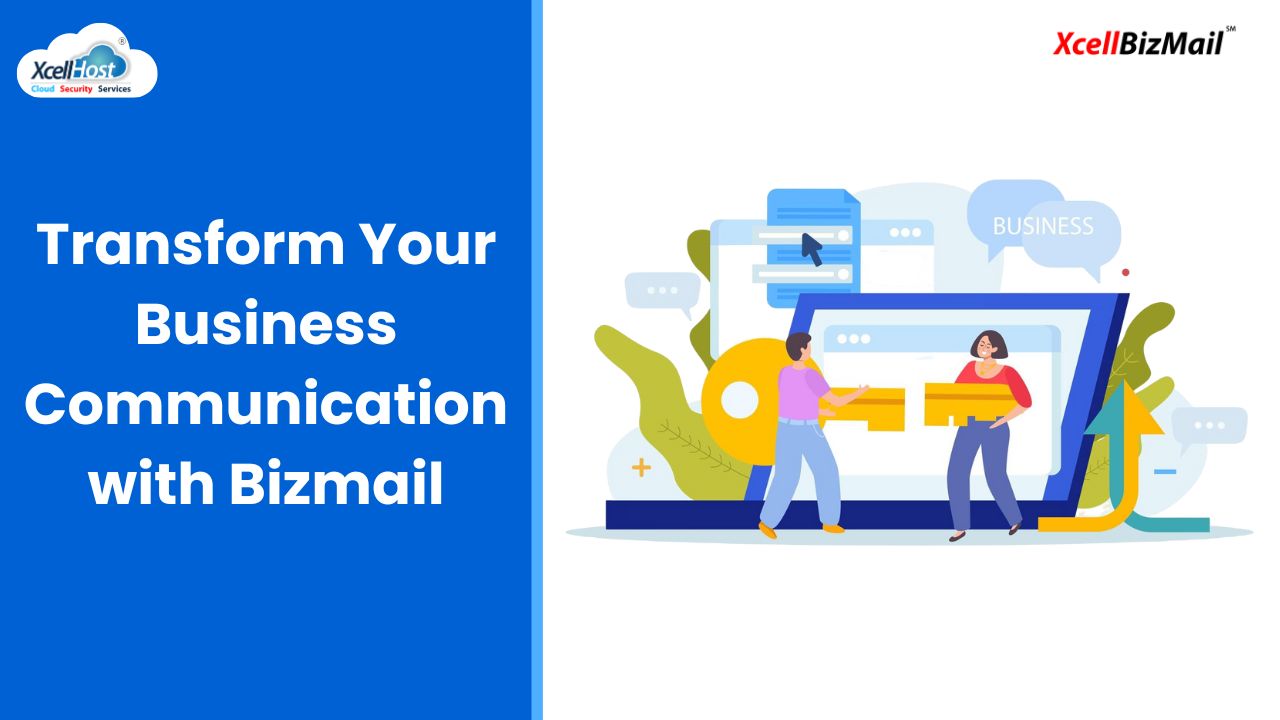
BizMail by XcellHost Secure, Scalable, and Professional Email Solutions for Your Business

Introduction In today’s fast-paced digital world, email remains a critical communication tool for businesses of all sizes. Whether you’re a startup or a large enterprise, having a reliable, secure, and professional email service is essential for maintaining seamless communication with clients, partners, and employees. That’s where BizMail from XcellHost Cloud Services comes in. Offering advanced features, security, and scalability, BizMail is designed to meet the evolving needs of modern businesses. Why Choose BizMail for Your Business? 1. Enhanced Security for Peace of Mind Data breaches and phishing attacks are on the rise. BizMail prioritizes your business’s security by offering end-to-end encryption, multi-factor authentication, and advanced spam filters to ensure that your sensitive information is protected at all times. 2. Seamless Collaboration Tools With BizMail, you get more than just email. Leverage integrated tools like shared calendars, task management, and real-time file sharing to enhance team collaboration and productivity. 3. Custom Domains for a Professional Touch Create a professional image for your business with customized email addresses using your company’s domain. Build trust and credibility with clients by using email addresses that reflect your brand. 4. 99.9% Uptime Guarantee Downtime is not an option for businesses. With BizMail’s robust infrastructure, enjoy a 99.9% uptime guarantee, ensuring your business communications are never interrupted. 5. Scalability for Growing Businesses Whether you’re adding a new team member or scaling operations across multiple locations, BizMail offers scalable plans to accommodate your growing needs without compromising performance. Key Features of BizMail by XcellHost Cloud Services Benefits of Hosting Your Email with XcellHost Cloud Services By choosing XcellHost for your business email needs, you gain access to world-class cloud infrastructure, ensuring high performance and reliability. XcellHost’s focus on data privacy, compliance, and customer support sets them apart from competitors. How to Get Started with BizMail Getting started with BizMail is simple: Conclusion Transform the way your business communicates with BizMail by XcellHost Cloud Services. With unmatched security, reliability, and scalability, BizMail is the perfect solution for businesses looking to stay ahead in the digital era. Empower your team, build trust with clients, and grow your business seamlessly. Ready to take your business communications to the next level? Contact XcellHost Cloud Services today to learn more about BizMail and get started!      

BizMail by XcellHost Secure, Scalable, and Professional Email Solutions for Your Business Read More »

Security and Compliance: How Cloud Management Portals Can Help

Security and Compliance: How Cloud Management Portals Can Help In an era where data breaches and cyber threats are prevalent, ensuring robust security and compliance is paramount for businesses operating in the cloud. Cloud Management Portals (CMPs) have emerged as essential tools, providing centralized control and management of cloud environments. This blog will explore how CMPs enhance security and compliance, key features to look for, and best practices for leveraging these tools effectively. Introduction to Cloud Management Portals (CMPs) ☁️ A Cloud Management Portal is a unified interface that allows businesses to manage, monitor, and optimize their cloud resources across multiple platforms. CMPs provide visibility into cloud environments, enabling efficient resource allocation, cost management, and policy enforcement. Most importantly, they play a crucial role in enhancing security and ensuring compliance with industry standards and regulations. How CMPs Enhance Security 🔐 Centralized Security Management 🛡️ CMPs offer centralized control over security policies and configurations across all cloud environments. This centralization ensures consistency in security practices, reducing the risk of misconfigurations and vulnerabilities. Real-Time Threat Detection and Response 🚨 Advanced CMPs incorporate real-time threat detection capabilities, leveraging AI and machine learning to identify and respond to suspicious activities promptly. These tools can automatically trigger alerts, initiate incident response protocols, and even remediate threats, minimizing potential damage. Identity and Access Management (IAM) 🔑 Effective IAM is critical for securing cloud environments. CMPs provide robust IAM features, enabling businesses to manage user identities, roles, and access permissions centrally. This ensures that only authorized personnel can access sensitive data and critical resources. Encryption and Data Protection 🛡️ CMPs support encryption of data both in transit and at rest, ensuring that sensitive information is protected from unauthorized access. Additionally, they offer tools for managing encryption keys securely, further enhancing data protection. Compliance Monitoring and Reporting 📊 CMPs facilitate continuous compliance monitoring by tracking and auditing activities across cloud environments. They generate detailed reports that help businesses demonstrate compliance with industry standards and regulatory requirements, such as GDPR, HIPAA, and SOC 2. How CMPs Ensure Compliance 📜 Automated Policy Enforcement 📋 CMPs allow businesses to define and enforce compliance policies automatically. These policies can be applied across all cloud resources, ensuring that configurations adhere to regulatory standards and best practices consistently. Continuous Auditing and Logging 📝 Continuous auditing and logging are essential for maintaining compliance. CMPs provide comprehensive logging of all activities within cloud environments, enabling businesses to track changes, monitor access, and identify potential compliance violations. Regulatory Compliance Templates 🗂️ Many CMPs come with pre-built regulatory compliance templates that align with industry standards. These templates simplify the process of configuring cloud environments to meet specific compliance requirements, saving time and reducing the risk of errors. Data Residency and Sovereignty 🌍 CMPs help businesses manage data residency and sovereignty requirements by allowing them to specify where data is stored and processed. This ensures compliance with local data protection laws and regulations, especially in regions with strict data sovereignty rules. Risk Management and Assessment 🔍 CMPs provide tools for risk management and assessment, helping businesses identify and mitigate potential compliance risks. These tools analyze cloud environments against compliance frameworks and provide recommendations for improving compliance posture. Key Features to Look for in a CMP for Security and Compliance Multi-Cloud and Hybrid Cloud Support 🌐 A good CMP should support multiple cloud platforms and hybrid cloud environments, providing a unified view and management capabilities across all cloud resources. Advanced Security Analytics 🧠 Look for CMPs that offer advanced security analytics, leveraging AI and machine learning to detect anomalies, predict threats, and provide actionable insights for improving security. Robust IAM Capabilities 🔑 Ensure the CMP provides comprehensive IAM features, including user provisioning, role-based access control, and single sign-on (SSO) integration. Automated Compliance Checks ✔️ Choose a CMP that offers automated compliance checks and real-time monitoring to ensure continuous adherence to regulatory requirements. Customizable Dashboards and Reports 📊 Customizable dashboards and reports allow businesses to visualize security and compliance metrics, making it easier to track performance and identify areas for improvement. Best Practices for Using CMPs Effectively Define Clear Security and Compliance Policies 📋 Establish clear security and compliance policies that align with industry standards and regulatory requirements. Ensure these policies are implemented and enforced consistently across all cloud environments. Regularly Update and Patch Systems 🔄 Keep all systems, applications, and CMP tools up to date with the latest patches and updates. Regular updates ensure that security vulnerabilities are addressed promptly, reducing the risk of breaches. Conduct Regular Security Audits and Assessments 🕵️ Perform regular security audits and assessments to identify potential vulnerabilities and compliance gaps. Use the insights gained from these audits to improve your security and compliance posture continually. Train Employees on Security Best Practices 📚 Educate employees on security best practices and the importance of compliance. Regular training sessions and awareness programs can help prevent human errors that could lead to security incidents or compliance violations. Leverage Automation for Efficiency 🤖 Utilize the automation capabilities of CMPs to streamline security and compliance processes. Automated policy enforcement, compliance checks, and incident response can significantly improve efficiency and reduce the risk of human error. Frequently Asked Questions (FAQs) ❓ Q1: What is a Cloud Management Portal (CMP)? A1: A Cloud Management Portal is a unified interface that allows businesses to manage, monitor, and optimize their cloud resources across multiple platforms, providing visibility, control, and enhanced security. Q2: How does a CMP enhance security? A2: CMPs enhance security through centralized management, real-time threat detection, robust IAM features, encryption, and continuous compliance monitoring, ensuring consistent and effective security practices. Q3: What compliance standards can CMPs help with? A3: CMPs can help businesses comply with various regulatory standards, including GDPR, HIPAA, SOC 2, and others, by providing tools for policy enforcement, auditing, and reporting. Q4: Why is IAM important in a CMP? A4: IAM is crucial for managing user identities, roles, and access permissions, ensuring that only authorized personnel can access sensitive data and resources, thereby enhancing security. Q5: How do CMPs

Security and Compliance: How Cloud Management Portals Can Help Read More »

The Future of Data Storage: Exploring Innovations in Cloud Object Storage

The Future of Data Storage: Exploring Innovations in Cloud Object Storage As data continues to grow exponentially, businesses are constantly seeking innovative ways to store, manage, and protect their information. Cloud object storage has emerged as a leading solution, offering scalability, flexibility, and cost-efficiency. In this blog, we will explore the latest innovations in cloud object storage and how they are shaping the future of data storage. Introduction to Cloud Object Storage ☁️ Cloud object storage is a data storage architecture that manages data as objects, rather than as blocks or files. Each object includes the data itself, metadata, and a unique identifier, making it easy to store, retrieve, and manage large volumes of unstructured data. This approach is ideal for cloud environments, providing scalable and flexible storage solutions for businesses of all sizes. Key Innovations in Cloud Object Storage 1. AI and Machine Learning Integration 🤖 AI and machine learning are revolutionizing cloud object storage by enhancing data management, security, and analytics. These technologies enable automated data classification, anomaly detection, and predictive maintenance, making it easier to manage large datasets and identify potential issues before they escalate. 2. Enhanced Data Security 🔒 With the rise of cyber threats, data security is a top priority for businesses. Innovations in cloud object storage include advanced encryption techniques, zero-trust security models, and AI-driven threat detection. These measures ensure that data is protected both in transit and at rest, safeguarding sensitive information from unauthorized access and breaches. 3. Multi-Cloud and Hybrid Cloud Compatibility 🌐 As businesses adopt multi-cloud and hybrid cloud strategies, cloud object storage solutions are evolving to support seamless integration across various cloud environments. This compatibility allows organizations to distribute their data across multiple cloud platforms, optimizing performance, redundancy, and cost-efficiency. 4. Serverless Architecture ⚙️ Serverless architecture is gaining traction in cloud object storage, enabling businesses to manage their data without the need for dedicated server infrastructure. This approach reduces operational overhead, lowers costs, and allows for automatic scaling based on demand. Serverless storage solutions are particularly beneficial for applications with fluctuating workloads. 5. Intelligent Data Tiering 📊 Intelligent data tiering automatically moves data between different storage tiers based on usage patterns, access frequency, and performance requirements. This innovation optimizes storage costs by ensuring that frequently accessed data is stored in high-performance tiers, while infrequently accessed data is moved to lower-cost, archival storage. 6. Edge Computing Integration 🚀 Edge computing brings data processing closer to the source of data generation, reducing latency and improving performance. Integrating cloud object storage with edge computing enables real-time data processing and analytics, making it ideal for applications such as IoT, autonomous vehicles, and smart cities. 7. Blockchain for Data Integrity 🔗 Blockchain technology is being integrated into cloud object storage to enhance data integrity and transparency. By creating immutable records of data transactions, blockchain ensures that data has not been tampered with, providing a secure and verifiable audit trail. Benefits of Cloud Object Storage 🌟 Scalability 📈 Cloud object storage offers virtually unlimited scalability, allowing businesses to store and manage large volumes of data without worrying about capacity constraints. This scalability is essential for handling the growing amounts of unstructured data generated by modern applications. Flexibility 🌀 The flexible nature of cloud object storage enables businesses to easily adjust their storage needs based on changing requirements. This adaptability ensures that organizations can efficiently manage their data, regardless of how quickly it grows or evolves. Cost-Efficiency 💰 By leveraging a pay-as-you-go pricing model, cloud object storage helps businesses reduce costs by only paying for the storage they actually use. Additionally, intelligent data tiering and serverless architecture further optimize costs by automatically allocating resources based on demand. Durability and Reliability 🛡️ Cloud object storage providers often guarantee high levels of durability and reliability, ensuring that data is protected against hardware failures, data corruption, and other potential issues. This reliability is achieved through redundancy, data replication, and robust disaster recovery mechanisms. Accessibility and Collaboration 🌍 Cloud object storage enables easy access to data from anywhere, at any time, fostering collaboration and productivity. This accessibility is particularly beneficial for remote teams, allowing them to work together seamlessly, regardless of their physical location. Implementing Cloud Object Storage: Best Practices Assess Your Data Needs 📋 Before implementing cloud object storage, businesses should assess their data storage requirements, including the types of data they need to store, access patterns, and performance needs. This assessment will help in choosing the right storage solution and configuration. Choose the Right Provider 🏢 Selecting a reputable cloud object storage provider is crucial for ensuring data security, reliability, and performance. Businesses should evaluate providers based on their service offerings, security measures, pricing models, and customer support. Implement Robust Security Measures 🛡️ Security should be a top priority when implementing cloud object storage. Businesses should use advanced encryption, access controls, and regular security audits to protect their data. Additionally, leveraging AI-driven threat detection can help identify and mitigate potential security risks. Optimize Data Management 🌐 Efficient data management is essential for maximizing the benefits of cloud object storage. Businesses should implement data classification, intelligent tiering, and lifecycle management policies to ensure that data is stored in the most appropriate and cost-effective manner. Monitor and Optimize Continuously 📊 Continuous monitoring and optimization are vital for maintaining a performant and cost-effective cloud object storage environment. Businesses should use monitoring tools to track storage usage, performance, and security, making adjustments as needed to optimize their storage solutions. Frequently Asked Questions (FAQs) ❓ Q1: What is cloud object storage? A1: Cloud object storage is a data storage architecture that manages data as objects, each containing the data itself, metadata, and a unique identifier. It offers scalable, flexible, and cost-effective storage solutions for large volumes of unstructured data. Q2: How does cloud object storage enhance data security? A2: Cloud object storage enhances data security through advanced encryption techniques, zero-trust security models, and AI-driven threat detection. These measures protect data both in transit and at rest, safeguarding sensitive information from unauthorized access and

The Future of Data Storage: Exploring Innovations in Cloud Object Storage Read More »

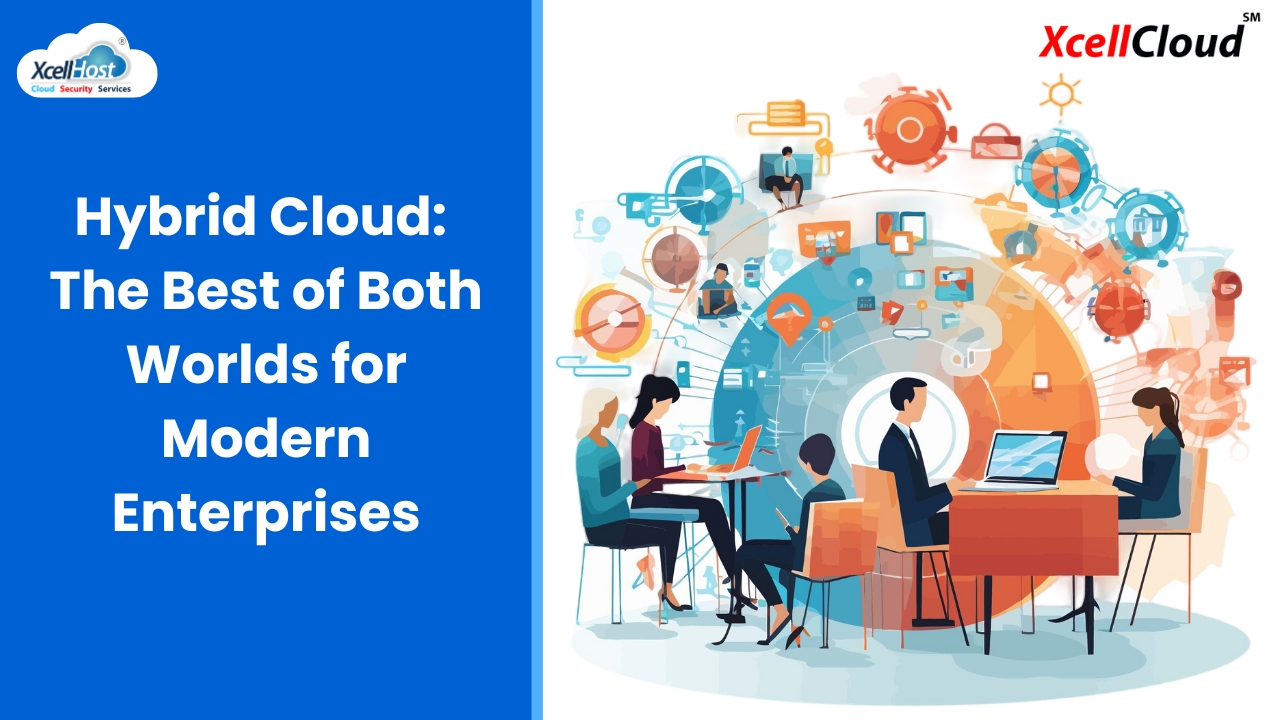
Hybrid Cloud: The Best of Both Worlds for Modern Enterprises

Hybrid Cloud: The Best of Both Worlds for Modern Enterprises In today’s fast-paced and technology-driven world, businesses are constantly seeking innovative solutions to enhance their operations, improve scalability, and ensure security. The hybrid cloud has emerged as a powerful solution that combines the best of both public and private clouds, offering unparalleled flexibility and efficiency. This blog explores the concept of hybrid cloud, its benefits, use cases, and best practices for modern enterprises. Introduction to Hybrid Cloud The hybrid cloud is an IT architecture that incorporates elements of both public and private cloud environments. This model allows businesses to leverage the scalability and cost-effectiveness of public clouds while maintaining control and security with private clouds. By integrating these two environments, enterprises can optimize their workloads, improve resource management, and achieve a more balanced IT infrastructure. Benefits of Hybrid Cloud Flexibility and Scalability 🌐 One of the most significant advantages of hybrid cloud is its flexibility. Businesses can scale their operations seamlessly by using the public cloud for fluctuating workloads and the private cloud for more sensitive data and applications. This flexibility ensures that enterprises can adapt to changing demands without compromising performance. Cost Efficiency 💸 Hybrid cloud solutions can lead to substantial cost savings. By utilizing the public cloud for non-sensitive, high-volume tasks, businesses can reduce their reliance on expensive private cloud resources. This approach allows for a more efficient allocation of IT budgets, optimizing overall costs. Enhanced Security 🔐 Security is a top concern for any business dealing with sensitive data. Hybrid cloud environments provide robust security by keeping critical data on private clouds while leveraging the public cloud for less sensitive information. This dual approach ensures that enterprises can maintain high-security standards without sacrificing scalability. Improved Performance 🚀 By distributing workloads across both public and private clouds, businesses can achieve better performance and reliability. Critical applications can run on private clouds with dedicated resources, while less critical tasks can be handled by the public cloud. This distribution minimizes latency and maximizes resource utilization. Disaster Recovery and Business Continuity 🛡️ Hybrid cloud solutions offer excellent disaster recovery capabilities. Businesses can back up data and applications across both environments, ensuring that critical information is always available, even in the event of a failure. This redundancy enhances business continuity and minimizes downtime. Key Use Cases for Hybrid Cloud Data Storage and Management 🗄️ Hybrid cloud is ideal for managing large volumes of data. Enterprises can store sensitive data on private clouds while using public clouds for less critical information. This approach ensures data security while taking advantage of the public cloud’s scalability. Application Development and Testing 👩‍💻 Developers can use the hybrid cloud to create, test, and deploy applications more efficiently. Public clouds provide the necessary resources for development and testing, while private clouds can host the final, secure versions of applications. This setup accelerates the development cycle and improves productivity. Big Data Analytics 📊 Big data initiatives require substantial processing power and storage capabilities. Hybrid cloud environments can handle these requirements by distributing data and analytics workloads across both public and private clouds. This approach enables businesses to analyze large datasets quickly and cost-effectively. Compliance and Regulatory Requirements 📜 Certain industries, such as finance and healthcare, have stringent compliance and regulatory requirements. Hybrid cloud allows these businesses to store sensitive data in private clouds to meet compliance standards while using public clouds for other operations. This balance ensures regulatory compliance without limiting scalability. Best Practices for Implementing Hybrid Cloud Define Clear Objectives 🎯 Before implementing a hybrid cloud strategy, businesses should define clear objectives and understand their specific needs. Identifying the primary goals, such as cost reduction, improved performance, or enhanced security, will guide the implementation process. Choose the Right Cloud Providers 🏢 Selecting the right cloud providers is crucial for a successful hybrid cloud strategy. Businesses should evaluate providers based on their security features, scalability, cost, and compatibility with existing infrastructure. Partnering with reputable providers ensures reliability and support. Ensure Seamless Integration 🔄 Integrating public and private clouds seamlessly is essential for maximizing the benefits of a hybrid cloud. Businesses should use advanced integration tools and technologies to ensure smooth data transfer and application interoperability between the two environments. Implement Robust Security Measures 🛡️ Security should be a top priority when implementing a hybrid cloud. Businesses must ensure that both public and private clouds have robust security measures, including encryption, access controls, and regular security audits. Maintaining a strong security posture protects sensitive data and minimizes risks. Monitor and Optimize Continuously 📈 Continuous monitoring and optimization are vital for maintaining a hybrid cloud environment. Businesses should use monitoring tools to track performance, resource utilization, and security across both clouds. Regularly optimizing the environment ensures efficient operation and cost-effectiveness. Frequently Asked Questions (FAQs) ❓ Q1: What is a hybrid cloud? A1: A hybrid cloud is an IT architecture that combines elements of both public and private clouds, allowing businesses to leverage the benefits of both environments for enhanced flexibility, scalability, and security. Q2: How does a hybrid cloud improve cost efficiency? A2: Hybrid cloud solutions improve cost efficiency by using the public cloud for non-sensitive, high-volume tasks and the private cloud for critical data and applications. This approach optimizes resource allocation and reduces overall IT costs. Q3: What are the security benefits of a hybrid cloud? A3: Hybrid clouds offer enhanced security by keeping sensitive data on private clouds while using public clouds for less critical information. This dual approach ensures high-security standards without compromising scalability. Q4: How can businesses use hybrid clouds for disaster recovery? A4: Hybrid cloud solutions provide excellent disaster recovery capabilities by backing up data and applications across both public and private clouds. This redundancy ensures that critical information is always available, enhancing business continuity. Q5: What industries benefit most from hybrid cloud solutions? A5: Industries with stringent compliance and regulatory requirements, such as finance and healthcare, benefit significantly from hybrid cloud solutions. These environments ensure regulatory compliance while offering scalability and flexibility. Conclusion 🌟

Hybrid Cloud: The Best of Both Worlds for Modern Enterprises Read More »

Cloud Object Storage Sample 3

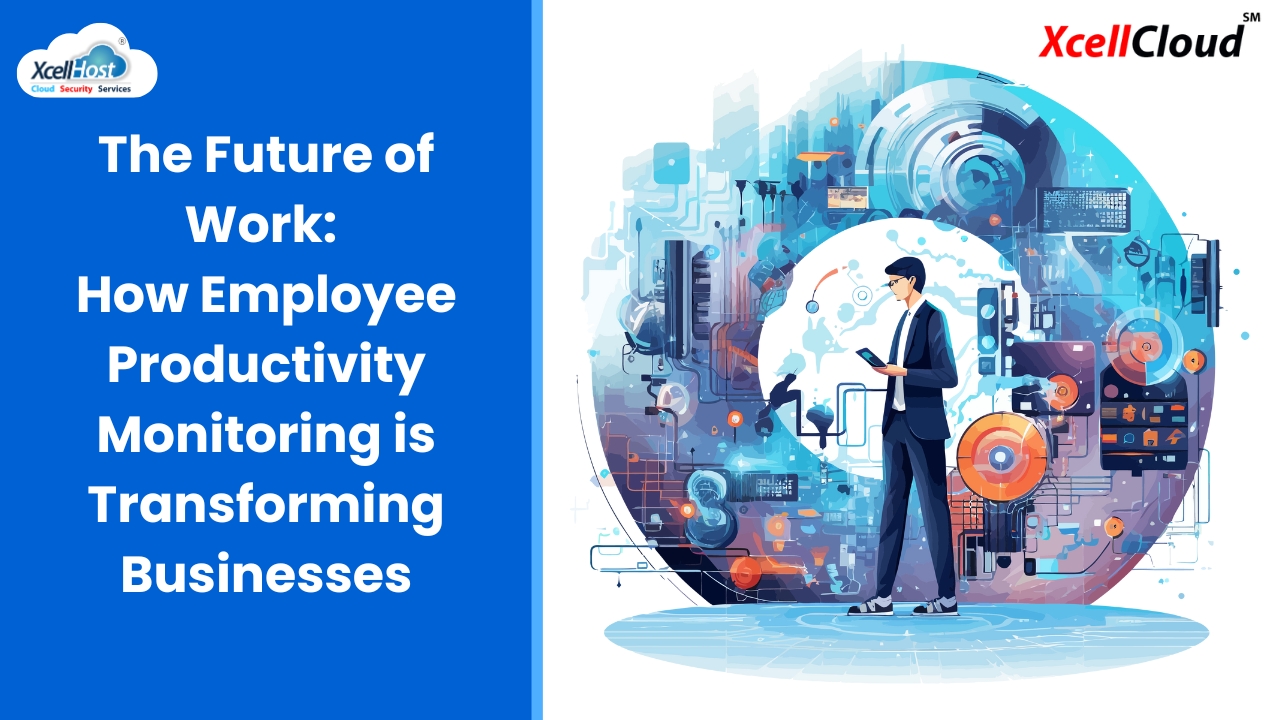
The Future of Work: How Employee Productivity Monitoring is Transforming Businesses In the rapidly evolving landscape of modern work, the way businesses monitor and enhance employee productivity is undergoing significant transformation. With the advent of advanced technologies and shifting workplace dynamics, productivity monitoring has become a pivotal tool in shaping the future of work. This blog explores how employee productivity monitoring is transforming businesses, its benefits, challenges, and the ethical considerations involved. Introduction to Employee Productivity Monitoring Employee productivity monitoring involves tracking and analyzing the work habits, performance, and efficiency of employees to enhance overall productivity. This practice has gained traction with the rise of remote work, technological advancements, and the growing emphasis on data-driven decision-making. Benefits of Employee Productivity Monitoring Enhanced Performance and Efficiency 🚀 By monitoring employee productivity, businesses can identify areas for improvement and implement strategies to boost performance. Real-time data and insights allow managers to make informed decisions, optimize workflows, and allocate resources more effectively. Improved Time Management ⏰ Productivity monitoring tools help employees understand how they spend their time, highlighting areas where time is wasted. This awareness fosters better time management, enabling employees to focus on high-priority tasks and reduce procrastination. Increased Accountability and Transparency 📊 Monitoring productivity promotes accountability by providing clear metrics and benchmarks for performance. Employees are more likely to stay on task and meet deadlines when they know their work is being tracked and evaluated. Data-Driven Decision Making 📈 The data collected through productivity monitoring provides valuable insights into employee behavior, work patterns, and project progress. This information empowers managers to make data-driven decisions, streamline processes, and identify training needs. Remote Work Management 🌐 With the rise of remote work, productivity monitoring tools have become essential for managing distributed teams. These tools ensure that remote employees remain productive, engaged, and aligned with organizational goals. Challenges of Employee Productivity Monitoring Privacy Concerns 🔍 One of the primary challenges of productivity monitoring is addressing privacy concerns. Employees may feel uncomfortable or distrustful if they perceive monitoring as invasive. It is crucial to strike a balance between monitoring productivity and respecting employee privacy. Potential for Micromanagement 🚦 Excessive monitoring can lead to micromanagement, which can demotivate employees and hinder creativity. It is essential to use productivity data to support and guide employees rather than control every aspect of their work. Data Security Risks 🔒 The data collected through productivity monitoring must be securely stored and protected. Businesses need to implement robust cybersecurity measures to prevent data breaches and ensure compliance with data protection regulations. Ethical Considerations ⚖️ Ethical considerations play a significant role in productivity monitoring. Businesses must establish transparent policies, communicate the purpose of monitoring, and involve employees in the decision-making process to maintain trust and ethical standards. Key Technologies Transforming Employee Productivity Monitoring Artificial Intelligence and Machine Learning 🤖 AI and machine learning algorithms analyze vast amounts of data to provide insights into employee productivity. These technologies can identify patterns, predict trends, and offer personalized recommendations to enhance performance. Time Tracking Software ⏲️ Time tracking software records the time employees spend on various tasks and projects. This data helps identify time sinks, optimize schedules, and ensure efficient use of work hours. Activity Monitoring Tools 💻 Activity monitoring tools track computer usage, application activity, and online behavior to gauge productivity. These tools provide detailed reports on how employees interact with digital tools and platforms. Project Management Software 📅 Project management software integrates productivity monitoring features to track project progress, deadlines, and team collaboration. These tools offer a holistic view of project performance and resource allocation. Employee Feedback Systems 🗣️ Feedback systems enable employees to provide input on their work experiences and productivity challenges. Regular feedback fosters a culture of continuous improvement and helps identify areas for intervention. Best Practices for Ethical Employee Productivity Monitoring Transparency and Communication 🗨️ Openly communicate the purpose and benefits of productivity monitoring to employees. Transparency fosters trust and ensures that employees understand how monitoring data will be used to support their growth and development. Involve Employees in Decision-Making 🤝 Involve employees in the selection and implementation of productivity monitoring tools. Seeking their input and addressing their concerns helps create a collaborative and inclusive work environment. Focus on Outcomes, Not Just Metrics 🎯 While metrics are essential, focus on the outcomes and impact of productivity monitoring. Use the data to support employees, enhance their skills, and create a positive work culture. Protect Employee Privacy 🔐 Implement privacy safeguards to ensure that monitoring practices do not infringe on employee privacy. Use anonymized data where possible and limit access to sensitive information. Regularly Review and Adjust Practices 🔄 Continuously review and adjust productivity monitoring practices to align with changing work dynamics and employee feedback. Regular assessments ensure that monitoring remains relevant and effective. Frequently Asked Questions (FAQs) ❓ Q1: What are the main benefits of employee productivity monitoring? A1: Employee productivity monitoring enhances performance, improves time management, increases accountability, supports data-driven decision-making, and aids in managing remote teams. Q2: How can businesses address privacy concerns in productivity monitoring? A2: Businesses can address privacy concerns by being transparent about monitoring practices, involving employees in decision-making, and implementing robust privacy safeguards. Q3: What technologies are commonly used in productivity monitoring? A3: Common technologies include artificial intelligence, time tracking software, activity monitoring tools, project management software, and employee feedback systems. Q4: How can productivity monitoring improve remote work management? A4: Productivity monitoring tools provide real-time data and insights into remote employee performance, ensuring that remote teams remain productive, engaged, and aligned with organizational goals. Q5: What ethical considerations should businesses keep in mind when monitoring productivity? A5: Ethical considerations include maintaining transparency, protecting employee privacy, avoiding micromanagement, and using data to support and develop employees rather than control them. Conclusion 🌟 Employee productivity monitoring is transforming businesses by providing valuable insights, enhancing efficiency, and supporting data-driven decision-making. As the future of work continues to evolve, embracing ethical and effective productivity monitoring practices will be crucial for businesses to thrive. By balancing transparency, privacy,

Cloud Object Storage Sample 3 Read More »

Cloud Object Storage Sample 2

The Future of Work: How Employee Productivity Monitoring is Transforming Businesses In the rapidly evolving landscape of modern work, the way businesses monitor and enhance employee productivity is undergoing significant transformation. With the advent of advanced technologies and shifting workplace dynamics, productivity monitoring has become a pivotal tool in shaping the future of work. This blog explores how employee productivity monitoring is transforming businesses, its benefits, challenges, and the ethical considerations involved. Introduction to Employee Productivity Monitoring Employee productivity monitoring involves tracking and analyzing the work habits, performance, and efficiency of employees to enhance overall productivity. This practice has gained traction with the rise of remote work, technological advancements, and the growing emphasis on data-driven decision-making. Benefits of Employee Productivity Monitoring Enhanced Performance and Efficiency 🚀 By monitoring employee productivity, businesses can identify areas for improvement and implement strategies to boost performance. Real-time data and insights allow managers to make informed decisions, optimize workflows, and allocate resources more effectively. Improved Time Management ⏰ Productivity monitoring tools help employees understand how they spend their time, highlighting areas where time is wasted. This awareness fosters better time management, enabling employees to focus on high-priority tasks and reduce procrastination. Increased Accountability and Transparency 📊 Monitoring productivity promotes accountability by providing clear metrics and benchmarks for performance. Employees are more likely to stay on task and meet deadlines when they know their work is being tracked and evaluated. Data-Driven Decision Making 📈 The data collected through productivity monitoring provides valuable insights into employee behavior, work patterns, and project progress. This information empowers managers to make data-driven decisions, streamline processes, and identify training needs. Remote Work Management 🌐 With the rise of remote work, productivity monitoring tools have become essential for managing distributed teams. These tools ensure that remote employees remain productive, engaged, and aligned with organizational goals. Challenges of Employee Productivity Monitoring Privacy Concerns 🔍 One of the primary challenges of productivity monitoring is addressing privacy concerns. Employees may feel uncomfortable or distrustful if they perceive monitoring as invasive. It is crucial to strike a balance between monitoring productivity and respecting employee privacy. Potential for Micromanagement 🚦 Excessive monitoring can lead to micromanagement, which can demotivate employees and hinder creativity. It is essential to use productivity data to support and guide employees rather than control every aspect of their work. Data Security Risks 🔒 The data collected through productivity monitoring must be securely stored and protected. Businesses need to implement robust cybersecurity measures to prevent data breaches and ensure compliance with data protection regulations. Ethical Considerations ⚖️ Ethical considerations play a significant role in productivity monitoring. Businesses must establish transparent policies, communicate the purpose of monitoring, and involve employees in the decision-making process to maintain trust and ethical standards. Key Technologies Transforming Employee Productivity Monitoring Artificial Intelligence and Machine Learning 🤖 AI and machine learning algorithms analyze vast amounts of data to provide insights into employee productivity. These technologies can identify patterns, predict trends, and offer personalized recommendations to enhance performance. Time Tracking Software ⏲️ Time tracking software records the time employees spend on various tasks and projects. This data helps identify time sinks, optimize schedules, and ensure efficient use of work hours. Activity Monitoring Tools 💻 Activity monitoring tools track computer usage, application activity, and online behavior to gauge productivity. These tools provide detailed reports on how employees interact with digital tools and platforms. Project Management Software 📅 Project management software integrates productivity monitoring features to track project progress, deadlines, and team collaboration. These tools offer a holistic view of project performance and resource allocation. Employee Feedback Systems 🗣️ Feedback systems enable employees to provide input on their work experiences and productivity challenges. Regular feedback fosters a culture of continuous improvement and helps identify areas for intervention. Best Practices for Ethical Employee Productivity Monitoring Transparency and Communication 🗨️ Openly communicate the purpose and benefits of productivity monitoring to employees. Transparency fosters trust and ensures that employees understand how monitoring data will be used to support their growth and development. Involve Employees in Decision-Making 🤝 Involve employees in the selection and implementation of productivity monitoring tools. Seeking their input and addressing their concerns helps create a collaborative and inclusive work environment. Focus on Outcomes, Not Just Metrics 🎯 While metrics are essential, focus on the outcomes and impact of productivity monitoring. Use the data to support employees, enhance their skills, and create a positive work culture. Protect Employee Privacy 🔐 Implement privacy safeguards to ensure that monitoring practices do not infringe on employee privacy. Use anonymized data where possible and limit access to sensitive information. Regularly Review and Adjust Practices 🔄 Continuously review and adjust productivity monitoring practices to align with changing work dynamics and employee feedback. Regular assessments ensure that monitoring remains relevant and effective. Frequently Asked Questions (FAQs) ❓ Q1: What are the main benefits of employee productivity monitoring? A1: Employee productivity monitoring enhances performance, improves time management, increases accountability, supports data-driven decision-making, and aids in managing remote teams. Q2: How can businesses address privacy concerns in productivity monitoring? A2: Businesses can address privacy concerns by being transparent about monitoring practices, involving employees in decision-making, and implementing robust privacy safeguards. Q3: What technologies are commonly used in productivity monitoring? A3: Common technologies include artificial intelligence, time tracking software, activity monitoring tools, project management software, and employee feedback systems. Q4: How can productivity monitoring improve remote work management? A4: Productivity monitoring tools provide real-time data and insights into remote employee performance, ensuring that remote teams remain productive, engaged, and aligned with organizational goals. Q5: What ethical considerations should businesses keep in mind when monitoring productivity? A5: Ethical considerations include maintaining transparency, protecting employee privacy, avoiding micromanagement, and using data to support and develop employees rather than control them. Conclusion 🌟 Employee productivity monitoring is transforming businesses by providing valuable insights, enhancing efficiency, and supporting data-driven decision-making. As the future of work continues to evolve, embracing ethical and effective productivity monitoring practices will be crucial for businesses to thrive. By balancing transparency, privacy,

Cloud Object Storage Sample 2 Read More »